
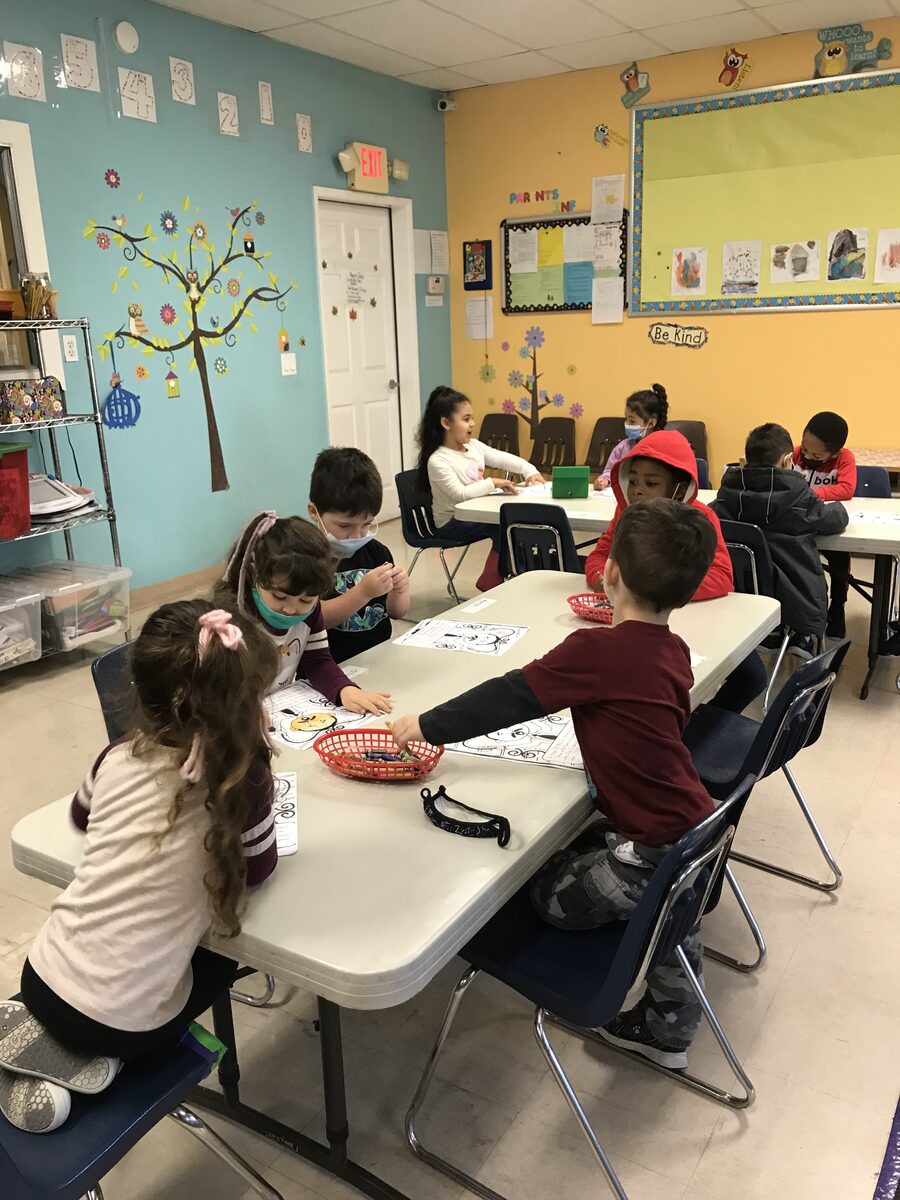
Preschool readiness is not about flashcards or drilling letters. It grows through small, repeated experiences that help your child feel secure, curious, and capable. Families in San Leandro can begin preparing for preschool months before the first day, weaving simple habits into daily routines so the transition feels like a natural next step rather than a sudden change.
Practice a dependable routine
Children thrive on predictability. Gradually align wake-up time, meals, getting dressed, and bedtime with the rhythm your child will follow on school days. When the school-day schedule is already familiar, the first week feels less jarring. Start shifting bedtime 10 to 15 minutes earlier each night over a week or two so the morning wake-up is not a shock.
Build in a consistent morning sequence: wash face, get dressed, eat breakfast, brush teeth, put on shoes. Practice it on weekends too. The goal is not rigidity but a predictable flow that helps your child know what comes next without needing constant reminders.
Build practical independence
Preschool teachers expect children to manage some self-care tasks with minimal help. Invite your child to wash hands independently, put on a jacket, carry a small backpack, open simple containers at mealtime, and help clean up toys. Offer assistance without taking over every step. When a child struggles with a zipper, wait a few seconds before stepping in. That pause builds problem-solving patience.
Practice using the bathroom independently, including flushing and handwashing. Pack lunches in containers your child can open on their own. Choose shoes with velcro or slip-on styles until your child can tie laces. These small skills compound: a child who can manage their own backpack and shoes arrives at preschool feeling competent, not helpless.
Read and talk every day
Reading together is the single most effective school-readiness habit. Stories, songs, questions, and everyday conversation strengthen listening comprehension, vocabulary, and narrative thinking. Read for 10 to 15 minutes daily, letting your child choose the book. Ask open questions like "What do you notice on this page?" instead of testing for correct answers.
Talk through daily activities narrated aloud: "I am cracking the egg. Now I am stirring." This kind of language exposure builds vocabulary naturally. Count stairs, name colors on walks, and describe what you see together. Every conversation is a small language lesson.
Practice short separations
If your child has rarely been apart from you, begin practicing short separations well before preschool starts. Let your child spend time with a familiar, trusted adult — a grandparent, neighbor, or sitter — and explain when you will return in concrete terms: "After snack time, I will be back." Keep goodbyes calm, clear, and consistent. A long, emotional goodbye can signal to your child that separation is something to fear.
Build up gradually: 30 minutes, then an hour, then a half-day. Each successful separation teaches your child that you leave and you come back. That trust is the emotional foundation for preschool.
Create chances to play with others
Social skills develop through practice. Shared play gives children experience waiting their turn, expressing needs with words, navigating small conflicts, and joining a group activity. Arrange playdates with children of similar ages, visit local playgrounds in San Leandro, or join a library story time at the San Leandro Public Library.
Expect some friction — sharing disputes, meltdowns over a toy, hesitation to join a group. These moments are part of learning, not signs that your child is not ready. Coach from the side: "Tell your friend you would like a turn next." Resist the urge to fix every conflict yourself; let your child try first.
Visit before the first day
A tour of the preschool lets your child see the entrance, classroom, outdoor play area, and teachers. Later, you can talk about real places and routines instead of an abstract idea. At Bubbly Tots Learning Center, families are encouraged to schedule a tour before enrollment so both parent and child can see the environment together.
Take photos during the tour if the center allows it. Look at them together in the days before school starts: "This is where you will hang your backpack. This is the table where you will eat snacks." Familiarity reduces anxiety.
What to pack on the first day
- A labeled backpack your child can open and close independently
- A change of clothes in a ziplock bag
- A comfort item if the center allows it — a small stuffed animal or family photo
- Any required enrollment paperwork, completed and signed
- Weather-appropriate extra layers for outdoor play
FAQ
What if my child cries at drop-off?
Crying at drop-off is normal, even expected. Keep goodbyes short, warm, and confident. Let teachers comfort your child — they are experienced at this. Most children calm down within minutes after the parent leaves. Consistent routines and a predictable drop-off sequence help reduce separation anxiety over time.
Does my child need to be potty trained?
This depends on the center. Some require potty training by age 3, while others assist with training. Contact your center directly to ask about their potty training policy before enrolling.
How long does it take to adjust to preschool?
Most children adjust within 2 to 4 weeks. Some may need longer. If your child is still distressed after a month, talk to the teachers. They can offer insight into what is happening in the classroom and suggest adjustments.
What age should my child start preschool in San Leandro?
Most San Leandro children start preschool between ages 2 and 3, though toddler care programs accept children as young as 18 months. See our guide on what age to start preschool for more detail.
Ready to see a San Leandro preschool in person? Schedule a tour at Bubbly Tots Learning Center or call/text 510-351-0300.
Explore learning at Bubbly Tots
See how caring routines, play, and family communication come together in our San Leandro programs.
Explore programs